← All Breeds
Chow Chow

Chow Chow Weight & Calorie Guide

Medium Breed

Quick Answer

A healthy adult Chow Chow weighs 2032 kg (44.170.5 lbs), according to the AKC breed standard. Puppies reach 50% of adult weight by 5–6 months and full weight by 12–14 months.

Source: AKC breed standard, WSAVA nutrition guidelines

Quick Facts

Ideal Weight
2032 kg
(44.170.5 lbs)
Size Category
medium
Breed Type
Daily Calories
~12901612 kcal
Adult, neutered

Ideal Weight Range

20 kgto32 kg
44.1 lbsto70.5 lbs
UnderweightIdealOverweightObese
Data:AKC breed standard·WSAVA guidelines

Puppy Weight Predictor

For puppies under 12 months. Enter your puppy's current weight and age to predict adult weight.

Unit:

How the puppy weight predictor works

This predictor uses growth milestone data from Salt et al. (2017), published in Veterinary Record, which tracked the weight development of dogs across five size categories from birth to adulthood. By comparing your puppy's current weight against the expected growth percentage for their age and size category, we estimate their adult weight range.

Factors that affect adult weight

Genetics play the largest role, but nutrition, neutering status, and overall health also influence growth rate. Puppies fed excessive calories during rapid growth phases may exceed their genetic weight potential, while underfed puppies may not reach it. Large and giant breeds grow more slowly than toy and small breeds, reaching full size at 18–24 months rather than 10–12 months.

Data source: Salt et al. (2017) "Growth patterns of commercial kennel dogs" Veterinary Record • AKC breed standards

Chow Chow Health & Weight Management

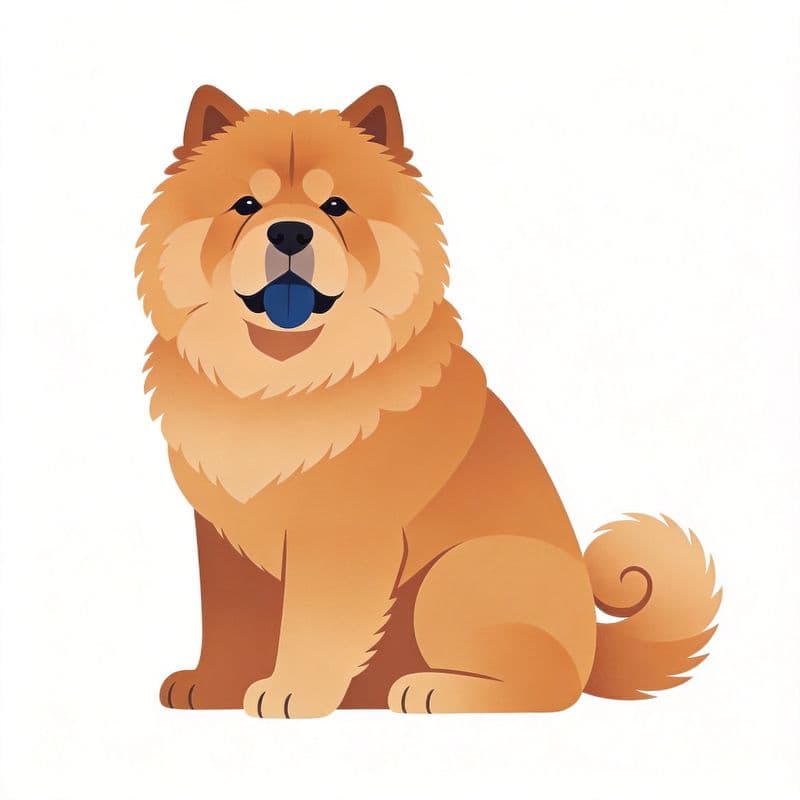
The Chow Chow is an ancient Chinese breed originally used for guarding, herding, and pulling sleds. Medium-sized and compact at 45–70 lbs, they are instantly recognizable by their lion-like mane, blue-black tongue, and stilted gait. Chows have a unique straight hind leg that creates their characteristic gait but also predisposes them to hip and stifle problems. Excess weight severely worsens joint stress in these already-limited legs. Their thick double coat makes them extremely heat-intolerant, and obesity compounds overheating risk. Chows are also prone to entropion and eyelid issues.

Exercise: Chows need 30–45 minutes of moderate daily exercise — short walks in cool weather and gentle play. They are not endurance athletes and overheat quickly. Exercise during early morning or evening hours in warm months. Avoid long runs or high-impact activities that strain their straight hind legs and stifle joints.

Feeding tips: Feed two measured meals daily of a quality adult formula. Chows are not known to be food-obsessed, but their compact build means even small weight gains have a large impact. Their facial folds and loose lips can trap food — wipe the muzzle after meals to prevent skin irritation. Avoid grains if your Chow shows signs of food sensitivity.

Keeping your Chow Chow at a healthy 45–70 lbs (20–32 kg) is vital for joint comfort and heat management. Use PawScale's calorie calculator for Chow Chows to set exact daily limits, check body condition with our BCS assessment tool, and build a balanced meal plan with the feeding guide.

Data source: AKC breed standard • Last updated: 2026-08-19

Is your Chow Chow at a healthy weight?

59% of dogs are overweight — can you tell? Take our free 2-minute Body Condition Score assessment.

Take BCS Assessment

Chow Chow Calorie Calculator

Calculate daily calorie needs in 3 steps

Weight Management Tips for Chow Chow

Breed-specific guidance backed by veterinary research

Obesity Risk

Chow Chows are notoriously low-activity indoors — caloric needs are lower than owners expect. Dense double coat hides weight gain; visual assessment is unreliable until obesity is severe. Post-spay/neuter metabolic slowdown combined with already-low activity creates a perfect storm for weight gain.

Breed-Specific Weight Management Tips

  1. Use a gram scale for portioning — the Chow Chow's low calorie needs mean even a small overpour adds 10%+ excess
  2. Schedule annual thyroid panels — unexplained weight gain should always prompt thyroid testing
  3. Substitute high-calorie treats with small vegetable pieces (carrots, green beans)

Health Risks of Obesity

  1. Hip/elbow dysplasia: Prevalent in the breed; excess weight dramatically accelerates arthritis onset
  2. Hypothyroidism: Common in Chow Chows; causes weight gain that then worsens the condition in a vicious cycle
  3. Autoimmune conditions: Breed is predisposed; obesity-related chronic inflammation can trigger or worsen autoimmune episodes

BCS Quick Check

The Chow Chow's lion-like mane and thick coat can conceal 2–3 kg of excess weight — always use rib palpation, not visual assessment. Refer to the BCS chart for proper technique.

Frequently Asked Questions

How much should a Chow Chow weigh?

The ideal weight for a Chow Chow is 2032 kg (44.170.5 lbs). Weight can vary based on gender, age, and individual build. Use our calorie calculator above to get personalized feeding recommendations.

How many calories does a Chow Chow need per day?

A typical adult Chow Chow weighing 26 kg needs approximately 12901612 kcal per day, depending on activity level and whether they are neutered. Use our breed-specific calculator above for an exact number based on your dog's details.

Is my Chow Chow overweight?

59% of dogs are overweight, and most owners cannot tell just by looking. Check your Chow Chow's Body Condition Score (BCS) — if you can't easily feel their ribs or they have no visible waist from above, they may be overweight. Take our free 2-minute BCS assessment above to find out.

When does a Chow Chow reach full adult weight?

Chow Chow puppies reach 50% of their adult weight by 5–6 months and typically reach full adult weight by 12–14 months, according to AKC growth guidelines. Small breeds mature faster than large breeds.

What size crate does a Chow Chow need?

A Chow Chow typically needs a 36-inch crate based on breed size. Use PawScale's free crate size calculator for a personalized recommendation.

Why is my Chow Chow gaining weight?

Chow Chows have unusually low indoor activity levels and are prone to hypothyroidism — both reduce caloric needs below what owners expect. Unexplained weight gain should always prompt a thyroid panel. Use our calorie calculator to determine correct daily intake.

How can I help my Chow Chow lose weight safely?

Reduce portions by 10–15% and substitute treats with low-calorie vegetables. Have your vet check thyroid function first — if hypothyroidism is present, weight loss is nearly impossible without treatment. Monitor progress with our BCS chart monthly.

References & data sources

1. AKC Official Breed Standard — Chow Chow. akc.org

2. Salt C, et al. “Estimating the expected growth of dogs.” Vet Record, 2017;180(15):376.

3. National Research Council. Nutrient Requirements of Dogs and Cats. National Academies Press, 2006.

4. Laflamme DP. “Development and validation of a body condition score system for dogs.” Canine Practice, 1997;22(4):10–15.

5. WSAVA Global Nutrition Guidelines; Association for Pet Obesity Prevention (APOP) 9-point BCS scale.

Last reviewed: September 2026

Know Your Chow Chow's Exact Calorie Needs

Calculate the perfect daily calories for your Chow Chow based on their weight, age, and activity level. Prevent obesity with science-backed nutrition guidance.

Calculate Calories Now

Free · Breed-specific · Takes 30 seconds