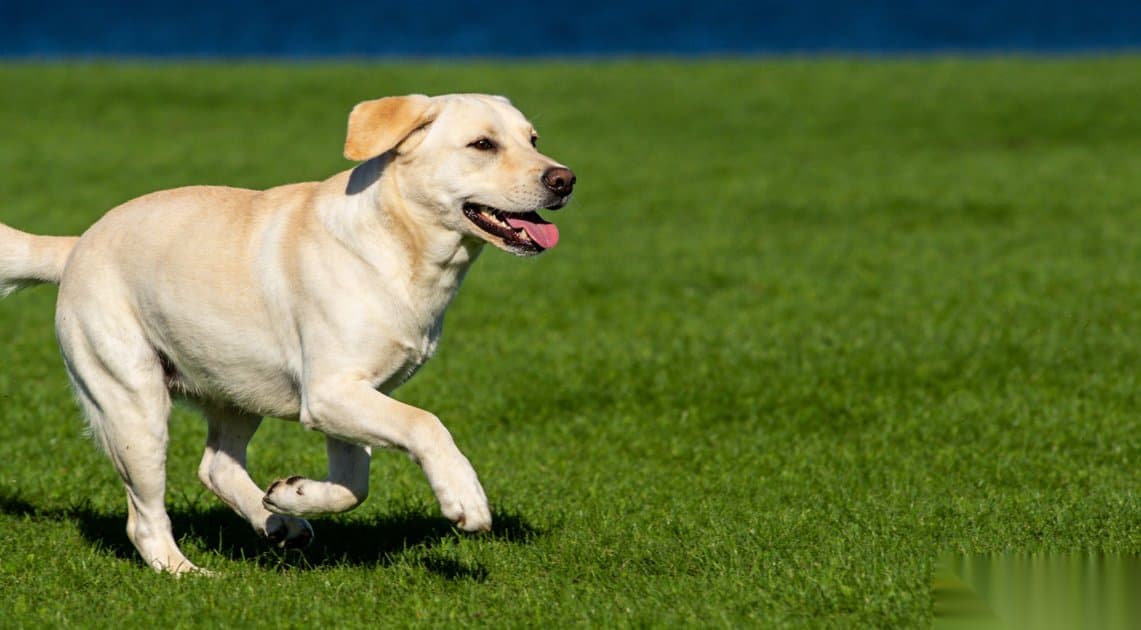
Dog Exercise Requirements Chart by Breed
A Border Collie needs 90–120 minutes of vigorous exercise daily. A Pug needs 20–30 minutes. Give the wrong amount to either breed and you'll get a destructive, anxious, or injured dog.
Exercise mismatch is one of the most common — and most fixable — problems we see. According to the AKC, 40% of dog owners say their dog has more energy than they can handle. On the flip side, under-exercised working breeds develop behavioral problems, while over-exercised flat-faced breeds can end up in the emergency vet clinic on a hot afternoon.
This chart breaks down daily exercise requirements for every major breed, organized by size and energy level — plus critical safety rules for puppies and flat-faced breeds. Bookmark it and use it every time you plan your dog's week.
💡 Know your dog's exact calorie needs? Match exercise with nutrition using our free Calorie Calculator → — more exercise means more calories burned, and your dog's food portions should reflect that.
Dog Exercise Chart by Size & Energy Level
This is the at-a-glance version. Find your dog's size category, and you'll see the minimum daily exercise they need to stay physically and mentally healthy.
| Size Category | Weight Range | Daily Exercise | Energy Level | Example Breeds |
|---|---|---|---|---|
| Toy / Small | Under 20 lbs | 20–30 min | Low–Moderate | Chihuahua, Pomeranian, Pug |
| Small–Medium | 20–40 lbs | 40–60 min | Moderate | Beagle, French Bulldog, Corgi |
| Medium–Large | 40–70 lbs | 60–90 min | High | Border Collie, Bulldog, Australian Shepherd |
| Large / Working | 70+ lbs | 60–120 min | High–Very High | Golden Retriever, German Shepherd, Husky |
| Herding / Sporting | Varies | 90–120+ min | Very High | Border Collie, Belgian Malinois, Australian Cattle Dog |
Key note: These are minimum daily exercise requirements for a healthy adult dog. Working and sporting breeds often need more — not less. And the type of exercise matters as much as the minutes: mental stimulation (scent work, training, puzzle toys) tires a dog as effectively as physical activity, especially for intelligent herding breeds.
These numbers assume a healthy adult dog between 1 and 7 years old. Puppies and seniors have their own rules — covered below.
Dog Exercise Chart by Breed
Size categories are a useful shortcut, but breed-specific data is where this chart earns its keep. Below: daily exercise minutes, energy levels, best activities, and health notes for the most popular breeds — grouped by weight class.
Toy & Small Breeds (Under 20 lbs)
Small dogs don't need small amounts of attention — but they do need shorter, gentler sessions. Most toy breeds were developed as companions, not athletes, so their exercise needs are modest. The big exception: intelligent breeds like the Toy Poodle need mental work as much as physical.
| Breed | Daily Exercise | Energy Level | Best Activities | Health Notes |
|---|---|---|---|---|
| Chihuahua | 20–30 min | Low–Moderate | Short walks, indoor play | Avoid cold weather; use sweater below 50°F |
| Pomeranian | 20–30 min | Moderate | Short walks, play sessions | Watch for tracheal collapse; use harness |
| Yorkshire Terrier | 20–30 min | Moderate | Short walks, indoor fetch | Dental health affects appetite |
| Maltese | 20–30 min | Low–Moderate | Leisurely walks, lap time | Prone to tear staining |
| Toy Poodle | 30 min | Moderate | Walks, mental puzzles | High intelligence needs mental stimulation |
| Pug | 20–30 min | Low | Short walks, gentle play | ⚠️ Brachycephalic — see safety section |
Practical note: two 15-minute walks beat one 30-minute march for most toy breeds — splitting sessions keeps them engaged without exhaustion. See the Chihuahua weight & calorie guide → for breed-specific nutrition data to pair with this exercise plan.
Small Breeds (20–30 lbs)
This group includes several brachycephalic (flat-faced) breeds, so pay close attention to the health notes column. It also includes the Dachshund — a breed where the wrong kind of exercise (jumping, stairs) is more dangerous than too little.
| Breed | Daily Exercise | Energy Level | Best Activities | Health Notes |
|---|---|---|---|---|
| French Bulldog | 20–40 min | Low–Moderate | Short walks, sniff games | ⚠️ Brachycephalic — avoid heat/exhaustion |
| Dachshund | 30–45 min | Moderate | Walks, scent games | Avoid jumping/stairs — IVDD risk |
| Cavalier King Charles | 30–45 min | Moderate | Walks, gentle fetch | Heart health monitoring important |
| Boston Terrier | 30–45 min | Moderate | Walks, play sessions | ⚠️ Brachycephalic — watch for overheating |
| Miniature Schnauzer | 30–60 min | Moderate–High | Walks, agility, fetch | High prey drive; keep on leash |
Sniff-based exercise is the secret weapon for this group. A 20-minute "sniffari" — where your dog sets the pace and investigates every smell — tires a small dog more effectively than a brisk 30-minute heel walk. See the French Bulldog weight & calorie guide → for more on keeping flat-faced breeds at a healthy weight.
Medium Breeds (30–50 lbs)
Here's where exercise needs split dramatically. This group contains both the lowest-energy and the single highest-energy breed on the entire chart. If you own a Border Collie or Australian Shepherd, treat the numbers below as a floor, not a ceiling.
| Breed | Daily Exercise | Energy Level | Best Activities | Health Notes |
|---|---|---|---|---|
| Beagle | 45–60 min | High | Long walks, scent work, hiking | Will follow nose off-leash; secure area only |
| Cocker Spaniel | 45–60 min | Moderate–High | Walks, fetch, swimming | Ear care after swimming |
| Bulldog | 30–45 min | Low | Short walks, gentle play | ⚠️ Brachycephalic — strict heat avoidance |
| Australian Shepherd | 60–90 min | Very High | Running, agility, herding ball | Needs job/mental stimulation; destructive without it |
| Border Collie | 90–120 min | Very High | Running, agility, frisbee, herding | Highest exercise need of any breed; not for casual owners |
Herding breeds need a job, not just movement. An hour of fetch helps, but 30 minutes of fetch plus 30 minutes of training, nose work, or agility will produce a far calmer dog. See the Beagle weight & calorie guide → for nutrition targets that match this breed's active lifestyle.
Large Breeds (50–90 lbs)
Large athletic breeds are where under-exercise does the most visible damage — chewed furniture, shredded drywall, relentless barking. Most of these breeds were developed for full-day work alongside humans, and a single 20-minute walk around the block won't touch their needs.
| Breed | Daily Exercise | Energy Level | Best Activities | Health Notes |
|---|---|---|---|---|
| Labrador Retriever | 60–90 min | High | Swimming, fetch, hiking, running | Prone to obesity; exercise is critical for weight management |
| Golden Retriever | 60–90 min | High | Swimming, fetch, hiking | Field-bred lines need 90–120 min; joint care important |
| German Shepherd | 60–90 min | High | Long walks, running, protection sports | Hip dysplasia common; avoid excessive jumping on hard surfaces |
| Husky | 60–120 min | Very High | Running, biking, hiking, pulling | Escape artist; never off-leash in unfenced areas |
| Boxer | 60–90 min | High | Fetch, running, play sessions | ⚠️ Brachycephalic-adjacent — monitor in heat |
| Rottweiler | 60–90 min | High | Walking, pulling, weight training | Strong breed; needs confident handler |
Note the Husky's range: 60–120 minutes. If your Husky is still wired at 60, that's normal — this breed was built to pull sleds for hours. See the Golden Retriever weight & calorie guide → for nutrition benchmarks to fuel an active retriever.
Giant Breeds (90+ lbs)
Counterintuitive but true: giant breeds need less exercise than most large breeds. Their massive frames put enormous stress on joints, and low-impact, moderate sessions are the goal. The exception is the Kangal — a working livestock guardian that needs both space and purpose.
| Breed | Daily Exercise | Energy Level | Best Activities | Health Notes |
|---|---|---|---|---|
| Great Dane | 30–60 min | Low–Moderate | Leisurely walks, gentle play | Growth plates close late; avoid forced exercise as puppy |
| Saint Bernard | 30–60 min | Low–Moderate | Short walks, snow play | Heat sensitive; never exercise in warm weather |
| Mastiff | 30–45 min | Low | Short walks | Low endurance; stop when dog lies down |
| Newfoundland | 30–60 min | Moderate | Walking, swimming | Natural water rescue dog; loves swimming |
| Kangal | 60–90 min | Moderate–High | Long walks, guarding duties | Livestock guardian; needs space and purpose |
Respect the "stop when the dog lies down" rule for Mastiffs — pushing past that point risks joint and cardiac strain. See the Kangal weight & calorie guide → for detailed data on this powerful guardian breed.
Puppy Exercise Rules: The 5-Minute-per-Month Guideline
Puppies are not small adult dogs. Their bones are still growing, and the growth plates at the ends of those bones are soft cartilage — vulnerable to permanent damage from repetitive impact.
The Rule: 5 minutes of structured exercise per month of age, up to twice daily.
- 2-month-old puppy: 10 minutes, twice daily
- 4-month-old puppy: 20 minutes, twice daily
- 6-month-old puppy: 30 minutes, twice daily
Why it matters: Over-exercising a puppy can cause permanent joint damage, especially in large and giant breeds. Hip dysplasia, elbow dysplasia, and early-onset arthritis all have roots in developmental stress.
Growth plate closure timeline:
- Toy/Small breeds: 8–12 months
- Medium breeds: 12–16 months
- Large breeds: 16–18 months
- Giant breeds: 18–24 months
What counts as structured exercise: Leash walks, free play in the yard, gentle training sessions. What does not count — and should wait until growth plates close: forced running on pavement, jumping from heights (cars, furniture), and repetitive fetching on hard ground.
Signs of over-exercise: Lagging behind, lying down during walks, limping, or reluctance to walk the next day. If you see these, scale back immediately.
Puppy Exercise Chart by Age
| Puppy Age | Max Single Session | Daily Total (2 sessions) | Notes |
|---|---|---|---|
| 2 months | 10 min | 20 min | Very gentle; mostly free play |
| 3 months | 15 min | 30 min | Short leash walks OK |
| 4 months | 20 min | 40 min | After second vaccinations |
| 6 months | 30 min | 60 min | Can start puppy socialization classes |
| 9 months | 45 min | 90 min | Most growth plates closing (small breeds) |
| 12 months | 60 min | 120 min | Small breeds nearly adult; large breeds still maturing |
| 18 months | Full adult | Full adult | Large/giant breeds reach adult exercise |
🐶 New puppy owner? Check your breed's complete weight & nutrition guide → for age-specific calorie needs and growth tracking — a growing puppy's food portions change as fast as their exercise limits.
⚠️ Brachycephalic (Flat-Faced) Breed Exercise Safety
What are brachycephalic breeds? Dogs with shortened skulls and flat faces. Their airways are compressed, making breathing difficult during exertion. What feels like a pleasant warm walk to you can be a respiratory crisis for them.
Affected breeds on this chart: Pug, French Bulldog, English Bulldog, Boston Terrier, Shih Tzu, Pekingese.
⚠️ Brachycephalic Exercise Safety Rules — read before every summer walk:
- Never exercise in heat — above 80°F (27°C), keep indoors with AC.
- Use a harness, not a collar — collar pressure worsens airway obstruction.
- Watch for signs of distress: Loud wheezing, blue/purple tongue, collapse → STOP immediately, wet with cool water, emergency vet.
- Exercise in early morning or late evening — the coolest parts of the day.
- Always carry water — offer small sips frequently.
- Swimming caution — many brachycephalic breeds cannot swim (top-heavy bodies and short snouts can't clear the water); always use a dog life jacket.
- Skip high-altitude hikes — reduced oxygen exacerbates breathing difficulty.
This isn't overcaution — brachycephalic breeds die from heatstroke every summer on walks that would be safe for any other dog. When in doubt, stay home: a puzzle toy session burns energy without stressing the airway.
Senior Dog Exercise Adjustments
Senior dogs still need regular, gentle exercise — it's essential for maintaining joint mobility and muscle mass. The goal changes, though: reduce intensity, not frequency. Shorter walks, more often, beat one long weekend hike.
Best activities: Leisurely sniff walks, swimming (low-impact), gentle play.
Adjustments by breed size:
- Small breeds (10+ years): 15–20 min, 2–3× daily
- Medium breeds (8+ years): 20–30 min, 2× daily
- Large breeds (6+ years): 30–45 min, 2× daily
- Giant breeds (5+ years): 20–40 min, 2× daily
Watch for: Stiffness after exercise, reluctance to get up, limping, and heavy panting. Cut the next session by a third and rebuild gradually. If stiffness persists beyond a few days, talk to your vet.
Exercise & Weight Management: The Connection
Exercise isn't just about burning energy — it's critical for weight management. Over 59% of dogs in North America are overweight (APOP), and insufficient exercise is the #1 contributing factor alongside overfeeding.
Calorie burn estimates by exercise type (per 30 minutes for a 50 lb dog):
| Activity | Calories Burned (~50 lb dog) |
|---|---|
| Leash walk (moderate pace) | 80–100 kcal |
| Brisk walk / light jog | 120–150 kcal |
| Fetch / frisbee | 150–200 kcal |
| Swimming | 100–130 kcal |
| Agility training | 130–170 kcal |
Put that in perspective: a 50 lb dog eating 1,000 kcal per day who adds a daily 30-minute fetch session burns an extra 150–200 kcal — the equivalent of cutting food intake by 15–20%, without touching the bowl. Effective weight management always combines proper feeding with appropriate exercise.
🔧 Match your dog's food to their activity level:
- Calorie Calculator → — Get exact daily calorie needs
- Feeding Plan Generator → — Turn calories into exact portions
- BCS Assessment → — Check if your dog is at healthy weight
⚖️ Is your dog at a healthy weight? Take our free 2-minute BCS Assessment → — based on WSAVA standards, no account needed. If the answer is "overweight," the fix is almost always more movement plus smaller portions — never one without the other.
Signs Your Dog Isn't Getting Enough Exercise
Dogs can't tell you they're bored — they show you. If several of these behaviors look familiar, the first fix isn't training; it's a longer walk.
- Destructive behavior — chewing, digging, excessive barking
- Excessive barking or whining — pent-up energy with nowhere to go
- Hyperactivity indoors — zoomies at 11pm, can't settle
- Obesity or weight gain — especially combined with full food portions
- Behavioral issues — leash pulling, jumping on guests, mouthing
- Anxiety or restlessness — pacing, inability to settle on their bed
- Excessive attention-seeking — following you room to room, nudging constantly
Before you book a behaviorist, run a two-week experiment: raise daily exercise to your breed's number above, plus 15 minutes of mental work. In most cases, the "behavior problem" shrinks with the energy surplus.
Recommended Exercise Gear
The right gear makes consistent exercise dramatically easier — especially for runners, hot-weather walkers, and owners of flat-faced breeds.
🏃 Exercise gear picks for active dogs:
- Hands-Free Running Leash — Great for joggers and hikers; the waist belt absorbs pulling shock so you can run hands-free with your dog.
- Dog Life Jacket — Essential for brachycephalic breeds near water; the chin float keeps short snouts above the surface.
- Interactive Puzzle Toy — Mental exercise counts too! A 15-minute puzzle session can take the edge off a high-energy dog on rest days or bad-weather days.
One more tip: even high-energy breeds benefit from a weekly rest day. Swap the run for a sniff walk and a puzzle toy — recovery is when joints actually get stronger.
Related Reading
- Dog Crate Size Chart by Breed — Find the perfect crate size for any breed, with measurements and real-world fit guidance.
- Dog Water Intake Chart by Weight & Breed — Exercise increases hydration needs; check exactly how much water your dog should drink on active days.
Frequently Asked Questions
How much exercise does a dog need per day?
It depends on breed and size. Toy breeds (Chihuahua, Pug) need 20–30 minutes daily. Medium breeds (Beagle, Cocker Spaniel) need 45–60 minutes. High-energy breeds (Border Collie, Husky, Golden Retriever) need 60–120 minutes. Working and herding breeds may need 90+ minutes of vigorous exercise. Always adjust for age, health, and weather.
How much exercise should a puppy get?
Follow the 5-minute-per-month-of-age rule, up to twice daily. A 3-month-old puppy gets 15 minutes per session. A 6-month-old gets 30 minutes. Do not force puppies to run on hard surfaces or jump from heights — their growth plates are still open and can be permanently damaged. Giant breeds shouldn't reach full adult exercise until 18–24 months.
Which dog breeds need the most exercise?
The highest exercise needs belong to herding and sporting breeds: Border Collie (90–120+ minutes), Belgian Malinois (90–120 minutes), Australian Cattle Dog (90+ minutes), Siberian Husky (60–120 minutes), and Labrador Retriever (60–90 minutes). These breeds were developed for all-day work and need vigorous daily activity to stay healthy and well-behaved.
Is it safe to exercise a Bulldog or Pug in hot weather?
No. Brachycephalic (flat-faced) breeds like Bulldogs, Pugs, French Bulldogs, and Boston Terriers have compromised airways. Exercise them only in early morning or late evening when it's cool. Never exercise above 80°F (27°C). Watch for heavy wheezing, blue tongue, or collapse — stop immediately and cool the dog with water. Many cannot swim safely due to their body shape.
Can I walk my dog too much?
Yes, especially for puppies and giant breeds. For puppies, follow the 5-minute-per-month rule to protect developing joints. For adult dogs, sudden drastic increases in exercise (going from 0 to 2 hours) can cause injury. Build up gradually over weeks. Senior dogs and brachycephalic breeds have lower endurance. Always watch for signs of fatigue: lagging behind, excessive panting, or lying down during walks.
Data Sources
- AKC Breed Standards & Exercise Recommendations — Primary breed exercise data.
- AAHA Canine Life Stage Guidelines — Puppy exercise rules and senior adjustments.
- Veterinary sports medicine literature — Growth plate closure timelines.
- Association for Pet Obesity Prevention (APOP) — Obesity prevalence statistics.
- Orthopedic Foundation for Animals (OFA) — Hip dysplasia prevalence data.
- Brachycephalic Working Group (UK) — Flat-faced breed safety guidelines.